

Solution

Logistics
Cargo handling, loading and unloading onto trucks
Challenges
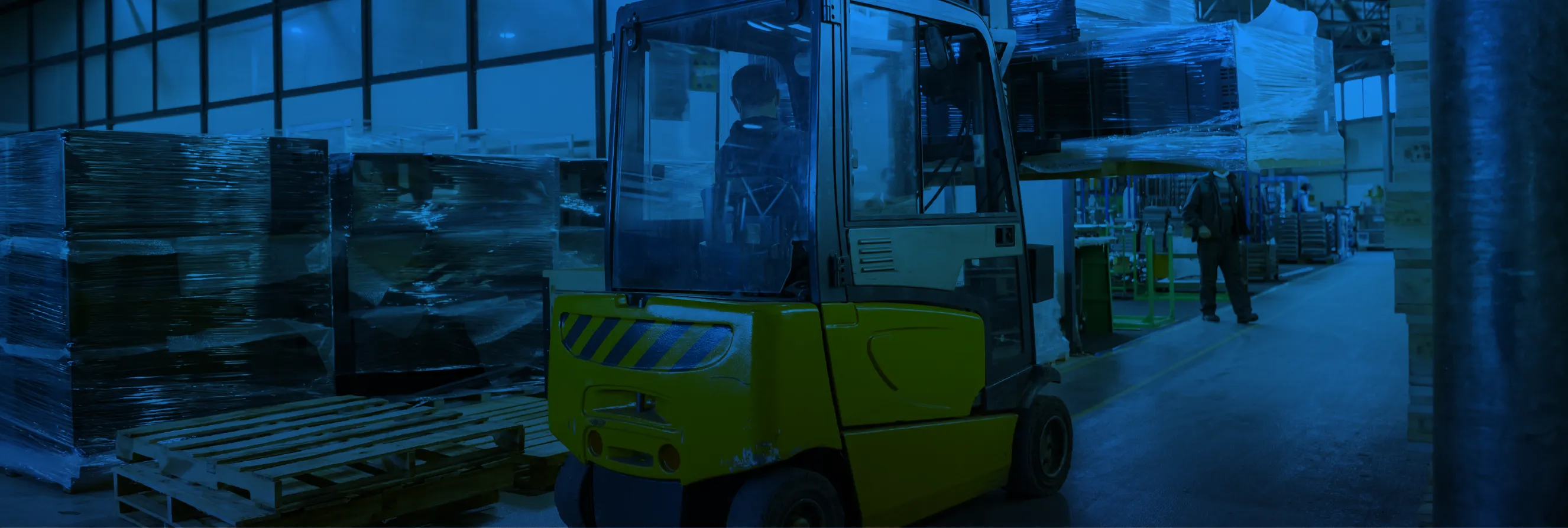
It is becoming difficult to secure forklift operators and cargo handling staff in logistics centers and warehouses.
Workplaces are facing an aging population. Handling heavy loads, loading and unloading at heights, and risks of contact with forklifts.
Limited personnel support 24-hour logistics hubs in environments where industrial accidents are a constant threat. While logistics volume continues to increase due to surging e-commerce demand, there are not enough people—human power alone has reached its limit.
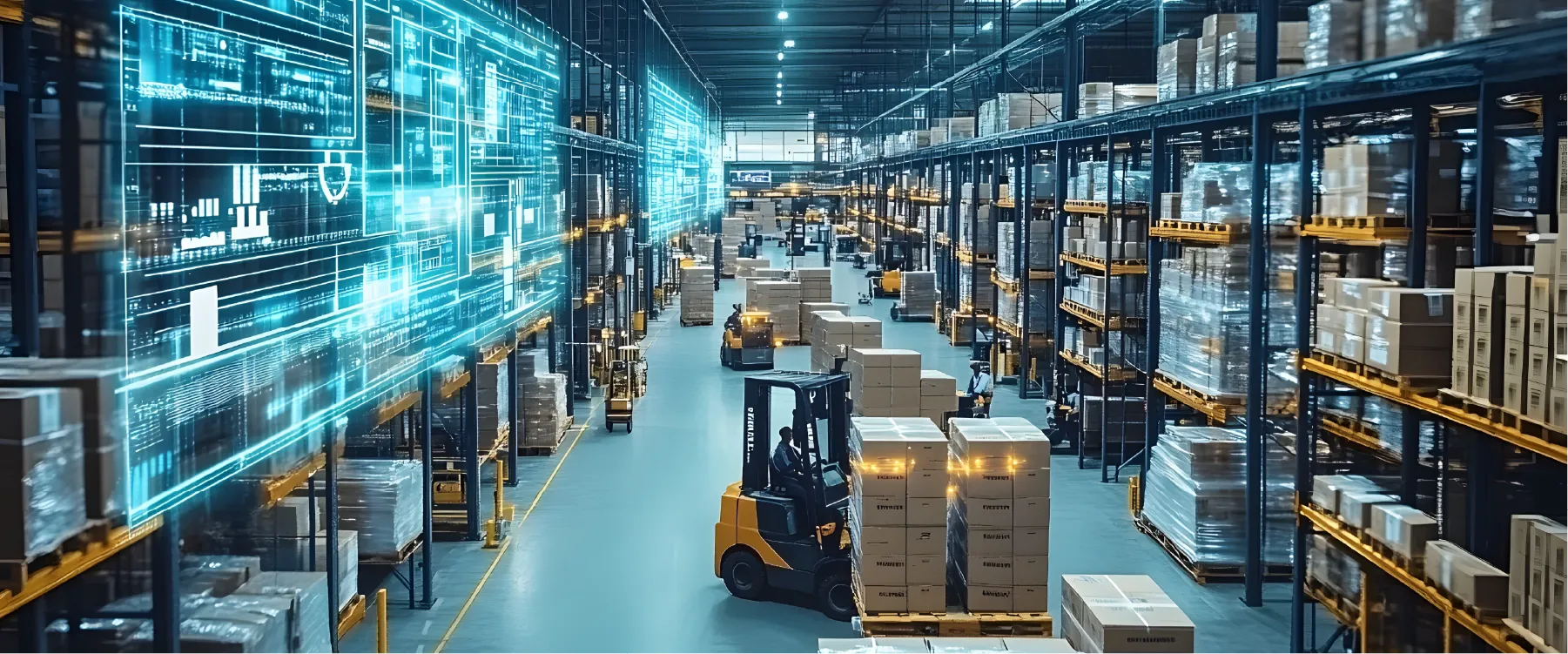
Autonomous travel in warehouses, remote control of forklifts, and a single operator controlling multiple heavy machines simultaneously—the introduction of automation and remote control technology is already accelerating in the logistics industry.
ARAV Solutions
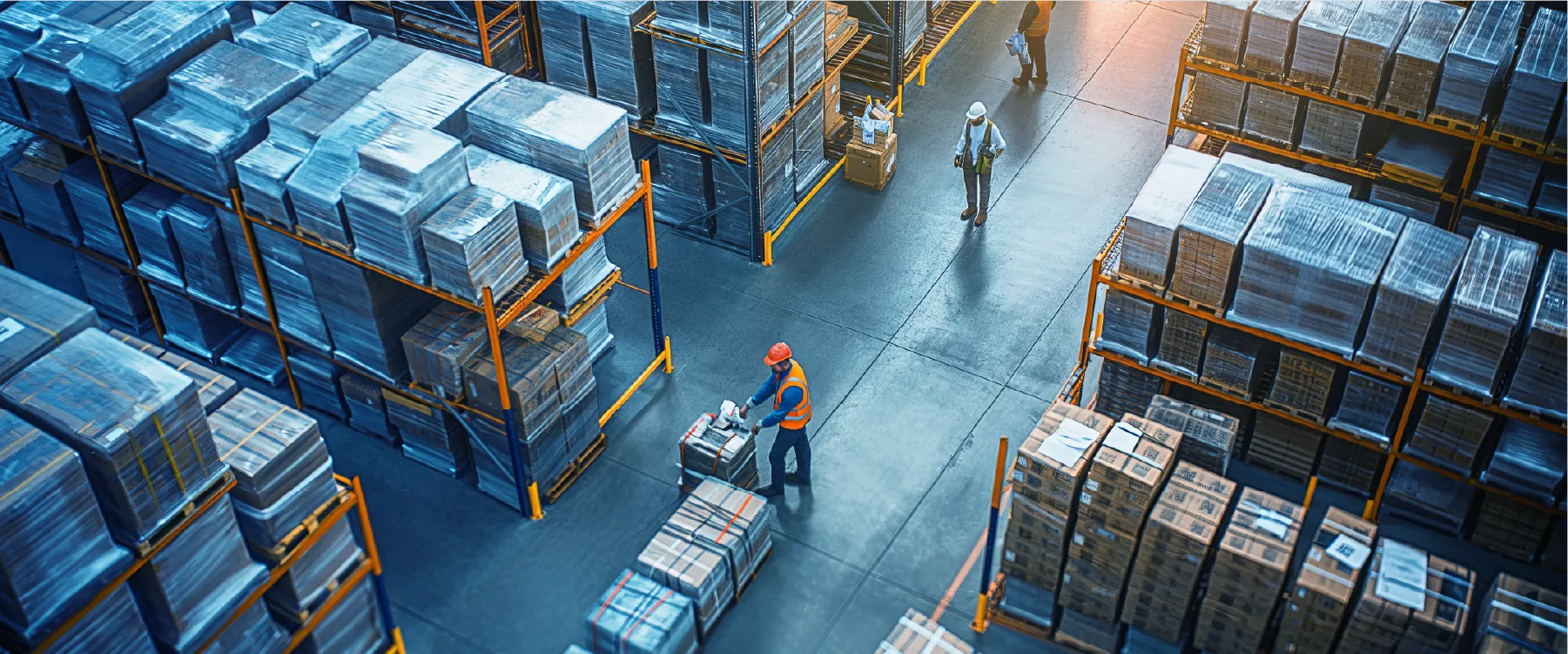
We promote DX for entire sites such as logistics centers, large-scale warehouses, stockyards, and container yards. Our goal is not just the DX of a single machine, but to provide a "Field Automation Platform" that optimizes operations across the entire customer site.
For example, we envision providing solutions such as autonomous forklift operation based on transport routes. We contribute to reducing operational mistakes (human errors) in the entire site process beyond individual tasks, establishing 24-hour operation systems, and balancing operational efficiency with safety.
Target Processes for Teleoperation and Automation
Promoting Site DX Through Phased Implementation
Example Scenarios
Phase 1
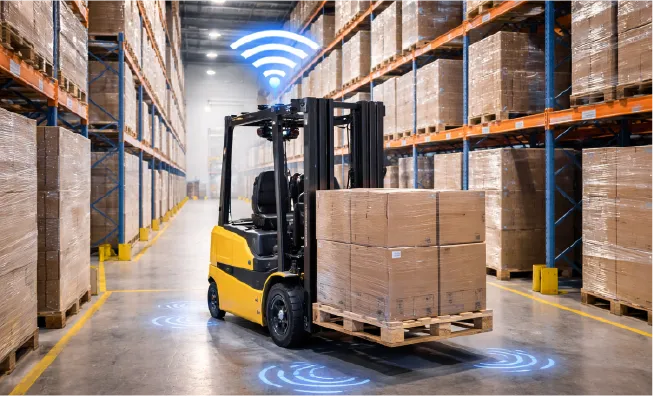
Small Start - Demonstrate value starting with a single unit
Initially, we start with the teleoperation or automation of a single forklift or other transport/loading machine.
We select tasks where challenges are expected based on consultation and site requirements. We approach tasks with particularly high safety risks or burdens, or where labor shortages are prominent, such as work in cold storage/hazardous areas, cargo handling during night/midnight shifts, and high-load tasks when responding to sudden volume fluctuations.
Based on the results obtained from a single machine, we propose further DX promotion through future scalability and safety improvements. We also consider systems and solutions that will take root in on-site operations.
Phase 2
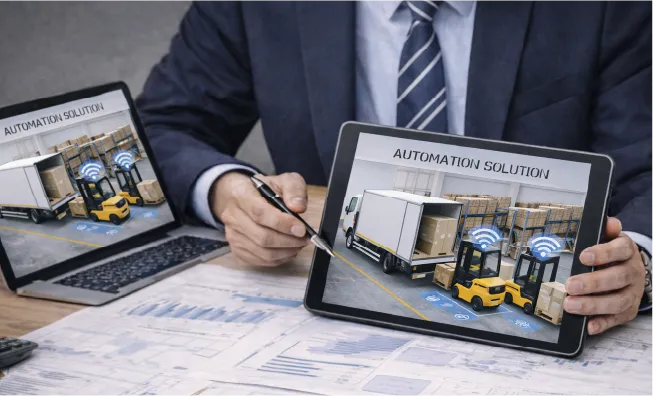
Horizontal Expansion - Scaling to multiple units and proposing automation
After verifying practicality with a single machine, we propose the teleoperation or automation of subsequent units for specific work areas or sites.
[Example of Machines/Tasks]
Forklifts and Transport Vehicles: By automating loading and unloading onto trucks through integration with facility equipment, we reduce the risk of contact accidents between workers and machines, easing the burden on workers and achieving standardization of operations.
Phase 3
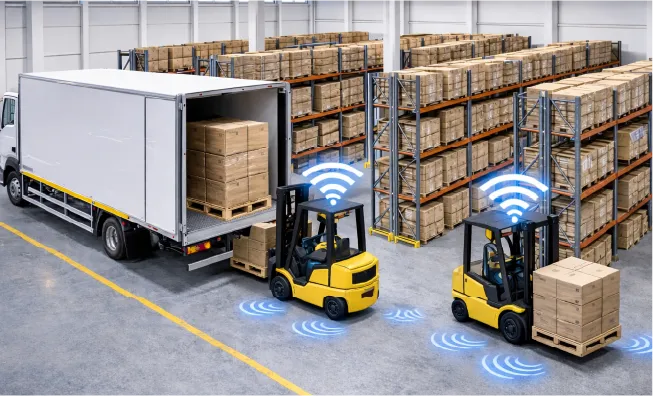
Final Phase
Our final vision is to further increase the number of teleoperated and automated machines to create unmanned operations and an environment free from constraints of time and location. This contributes to resolving chronic labor shortages and driver shortages in logistics sites, as well as establishing a flexible supply system that responds to demand fluctuations. We aim for a site-wide DX that cannot be achieved by the teleoperation or automation of single machines alone.